
The Creative Technologist Roundup x 20.0
This week, we are seeing the lines between efficiency, creativity, and commerce blur in truly fascinating ways 🤯.

Anthropic has once again redefined speed and cost with Claude Haiku 4.5, a small model that is so powerful it delivers Sonnet-level coding while being cheaper and twice as fast a huge leap for real-time AI applications 🏃💨. On the creative front, Google’s Veo 3.1 update is a game-changer for AI video, offering filmmakers richer audio and unprecedented narrative control 🎬. Meanwhile, the enterprise landscape is evolving at warp speed: Walmart is collaborating with OpenAI to bring direct purchasing into ChatGPT 🛒, and Figma is integrating Gemini to provide faster, enterprise-grade AI within its design platform 💻. From new economic policy discussions around AI’s impact to the surprising return of the brand hotline 📞, the future is now a complex, dynamic mix of the bleeding-edge and the retro-experiential. Let’s dig into the details. Get informed! 👇
x Macklin Andrick x
Bytes
#TechNews
#Video
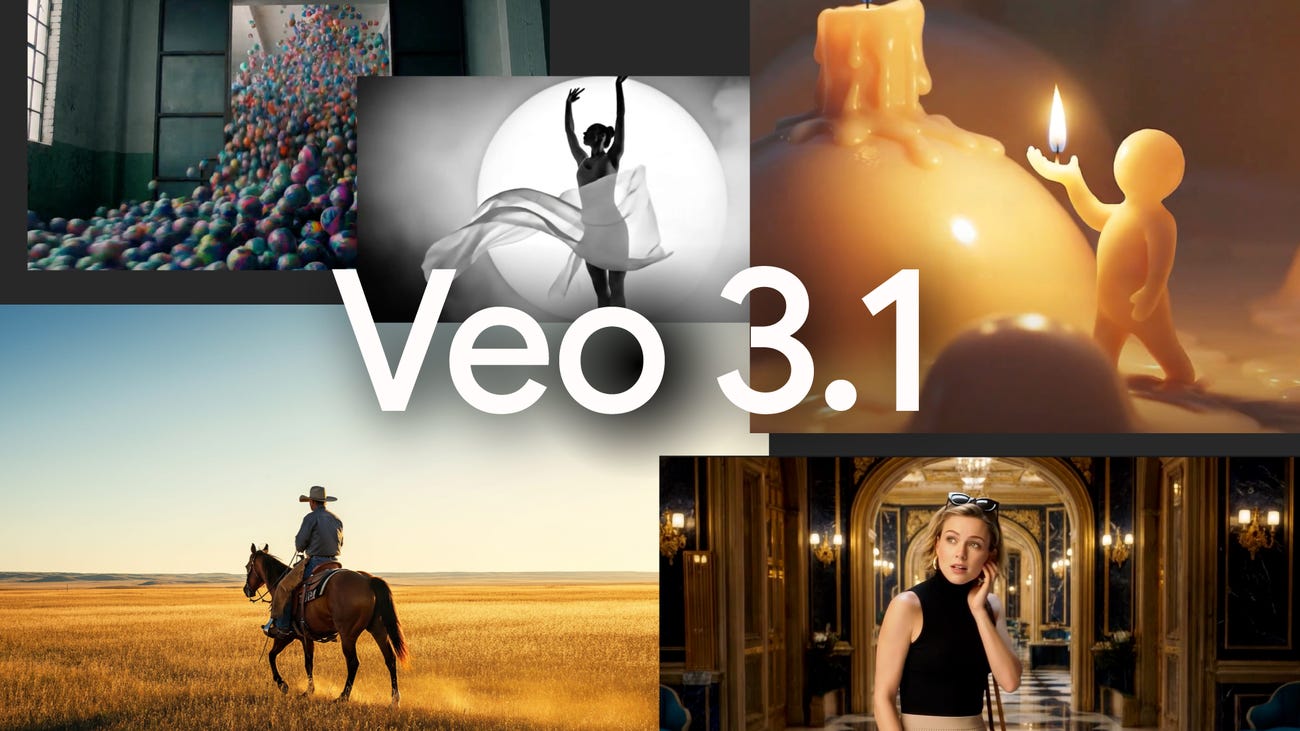
Introducing Veo 3.1 and advanced capabilities in Flow
Google’s AI filmmaking tool, Flow, has been updated with Veo 3.1, bringing enhanced creative control and improved audio capabilities. Key improvements include richer audio, more narrative control, and increased realism in generated videos. New editing features like “Insert” and “Remove” allow for precise scene manipulation. Existing features such as “Ingredients to Video,” “Frames to Video,” and “Extend” now also support audio. The Veo 3.1 model will be available to developers via the Gemini API and to enterprise customers through Vertex AI.

#LLM
Introducing Claude Haiku 4.5 \ Anthropic
Anthropic has released Claude Haiku 4.5, their latest small model, which offers similar coding performance to Claude Sonnet 4 but at one-third the cost and more than twice the speed. This new model excels at tasks like computer use and is designed for real-time, low-latency applications such as chat assistants and pair programming. Claude Haiku 4.5 also shows significant safety improvements compared to its predecessor, Claude Haiku 3.5, and has a statistically lower rate of misaligned behaviors than Claude Sonnet 4.5 and Claude Opus 4.1. It is available to developers via the Claude API, Amazon Bedrock, and Google Cloud’s Vertex AI. The model aims to blur the lines between speed, cost, and quality, making high intelligence more accessible and efficient.
#Experiential
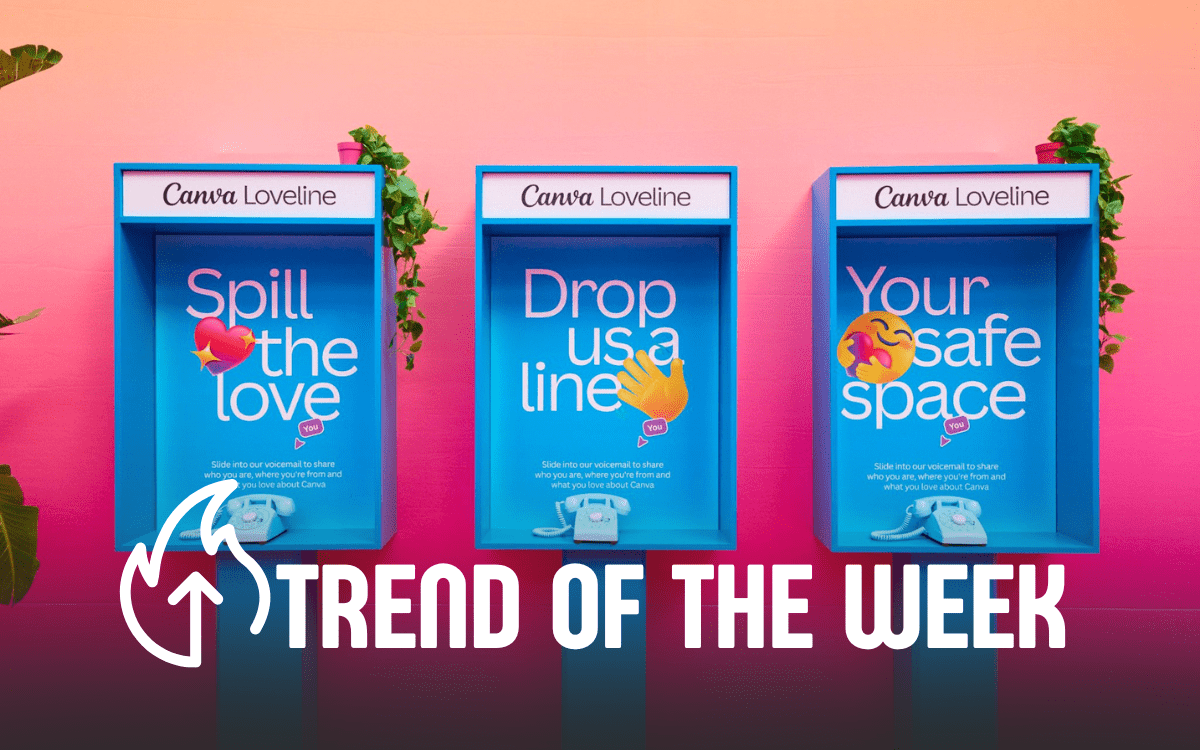
Experiential Trend of the Week: Hotlines - Event Marketer
Brands are increasingly incorporating hotlines into experiential marketing campaigns to create a personal and immersive connection with consumers. This trend leverages the novelty of phone calls in an increasingly digital world, offering limited-time content, promotions, and interactions with celebrities or fictional characters. Examples include Canva’s “Canva Loveline” for attendee feedback, Disney Branded Television’s “Percy Jackson Experience” hotline for fan engagement, and Doritos’ “Telethon for Hawkins” as a tie-in to “Stranger Things.” Additionally, the oral supplement brand Biosil utilized a hotline featuring actress Kelly Rutherford to address “beauty crisis” messages and educate consumers. These campaigns demonstrate how hotlines can provide unique and memorable brand experiences.

#eCommerce
Walmart teams up with OpenAI to allow purchases in ChatGPT
Walmart has announced a partnership with OpenAI, enabling shoppers to make direct purchases through ChatGPT. This initiative aims to adapt to evolving consumer shopping habits, where AI chatbots are increasingly used for product discovery and deal-finding. The new AI feature is expected to be multimedia, personalized, and contextual, though a launch date for Walmart items on ChatGPT has not yet been disclosed. OpenAI’s “Instant Checkout” feature, which will facilitate these transactions, was initially introduced with Etsy and is expanding to include other merchants. OpenAI will charge a fee for transactions completed through ChatGPT.
#Design
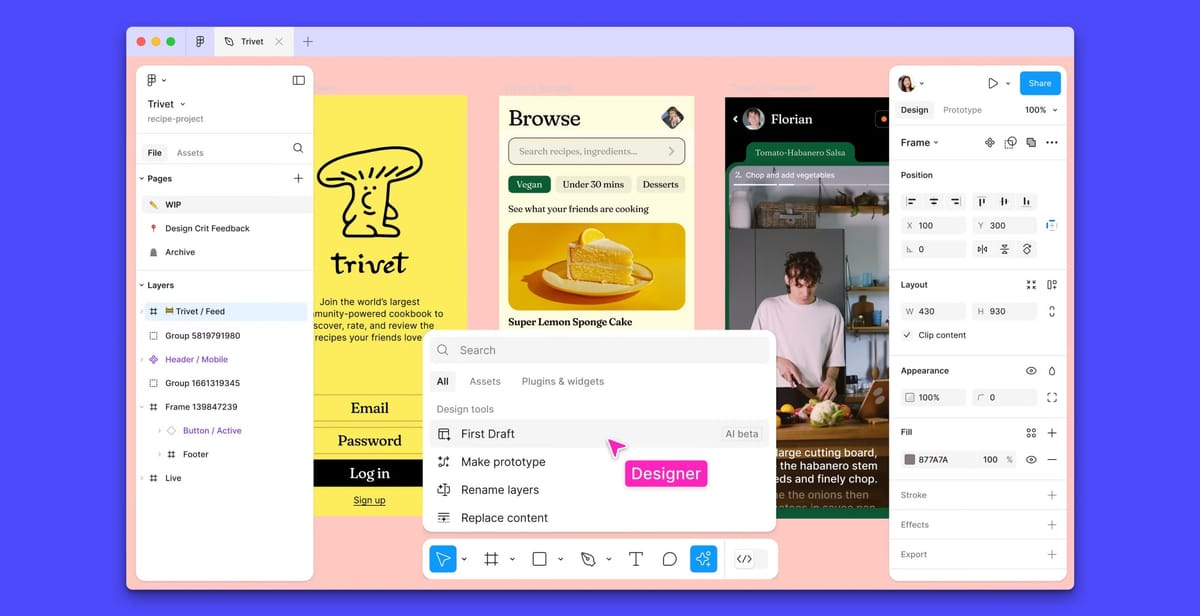
Figma taps Google’s Gemini for Faster, Enterprise-Ready AI Inside its Design Platform
Figma has integrated Google’s generative AI models, including Gemini 2.5 Flash, Gemini 2.0, and Imagen 4, into its design platform. This integration aims to significantly speed up image generation and editing, with initial tests showing a 50% reduction in latency for the “Make Image” feature. A key aspect of this collaboration is maintaining enterprise governance, allowing administrators to manage AI content training and feature access. Imagen 4 also offers watermarking and verification features for content provenance in regulated workflows. This partnership builds on an existing relationship between Figma and Google Cloud, with the goal of streamlining design tasks directly within Figma while adhering to enterprise governance standards.

#Policy
Preparing for AI’s economic impact: exploring policy responses
Anthropic has published a discussion on economic policy responses to the increasing influence of AI systems, noting a trend where users are delegating entire tasks to AI. The article explores nine policy concepts, categorized by the potential economic impact of AI, encompassing areas such as workforce development, tax adjustments, and infrastructure. These proposals, which include initiatives for upskilling, tax incentives for retaining workers, and new revenue models, are presented as foundational ideas for further research and public discourse to proactively address the economic shifts brought about by AI.