
The Creative Technologist Roundup x 12.0
This week’s round up is a crossroad of future vision and real-world rollout from lifelike AI assistants and holographic notebooks to laser-fast internet and cinematic driving UIs.

🧠💡 NVIDIA is laying the foundation for “Physical AI” with breakthroughs in neural rendering and simulation 🌍, while Google is testing a mysterious “Magic View” for NotebookLM that may redefine how we visualize digital thought 💫. Apple’s AI-powered home ecosystem is expanding with a Pixar-like robot, smart displays, and security cams 🏠🤖. Taara, a Google spin-off, is beaming 100 Gbps internet through lasers from mountaintops and oceans 🌐📡. Tesla is swapping Godot for Unreal Engine to boost in-car visual fidelity and immersion 🚘🎮. And at San Diego Comic-Con 2025, fan experiences reached new heights with interactive worlds from FX, Disney, and Adult Swim that turned the Gaslamp District into a playground of storytelling 🔥🎭.
Let’s jump into the pulse of what’s next!
Bytes
#TechNews
#3D
NVIDIA Research Shapes Physical AI
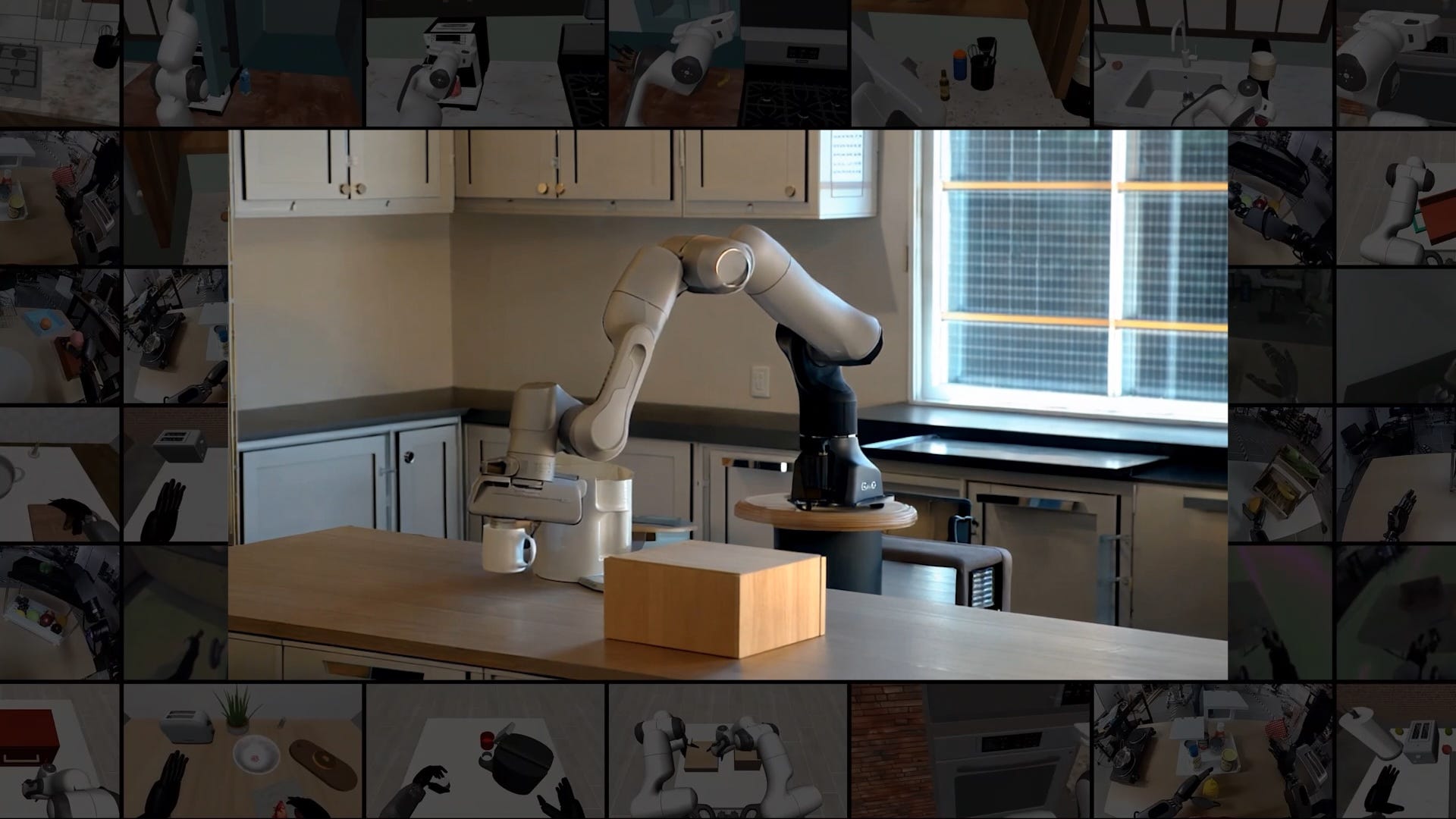
NVIDIA Research delivered a special address showcasing how breakthroughs in neural rendering, 3D generation, and world simulation are converging to shape the future of “physical AI.” In the blog “NVIDIA Research Shapes Physical AI,” the team emphasized that these graphics and simulation innovations are critical to powering intelligent systems with spatial and physical understanding. This integration of AI and graphics is particularly impactful in domains like robotics, autonomous vehicles, and content creation. By advancing neural graphics techniques, enabling richer 3D content generation, and developing more comprehensive world simulation platforms, NVIDIA is laying the foundation for AI that can perceive, reason, and interact with complex real-world environments more effectively.
#AI
Google develops Magic View for NotebookLM to visualize data
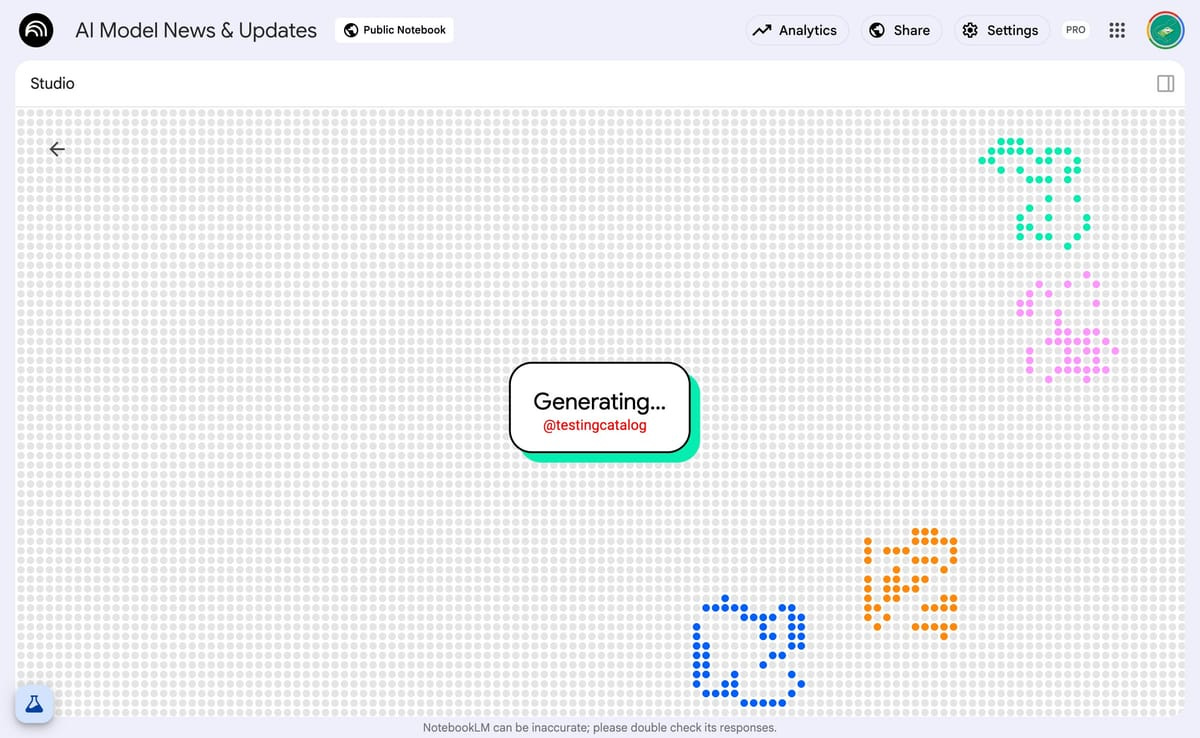
Google is working on a feature for its AI-powered NotebookLM called Magic View, currently visible through early development code. When activated, the feature triggers a vivid, animation-like display reminiscent of the “Game of Life,” appearing as a dynamic, interactive canvas rather than a traditional notebook view. At this stage, the exact purpose of Magic View remains speculative. It may represent a novel interaction mechanism, perhaps enabling users to visualize or manipulate their notebook content in a more immersive way or it may be a creative, exploratory interface intended for data exploration. As the details are scarce, it remains uncertain whether this feature will evolve into a tool, presentation format, or something more experimental within the NotebookLM ecosystem.

#Hardware
Apple Plots Expansion Into AI Robots, Home Security and Smart Displays
Apple is gearing up for a sweeping smart home expansion rooted in artificial intelligence. At the core of the plan is a tabletop robot described as a motorized arm with a display, evocative of a Pixar-style lamp that can follow you, swivel, and even dance. Scheduled for a 2027 debut, this device will feature a completely new Siri, powered by large language models (LLMs), enabling more natural, back-and-forth conversational interactions. In the nearer term, Apple is preparing to launch a six-inch smart display by mid‑2026. Designed to serve as a home command hub, the display will integrate Siri, Apple Intelligence, HomeKit, and likely support multiple users with visual and voice control capabilities. Alongside this, Apple plans to introduce AI-powered home security cameras in 2026, leveraging facial recognition, smart alerts, and deep ecosystem integration all with Apple's emphasis on privacy.
#Experiential
SDCC 2025 Video Tour: Activations from Disney, ABC, FX & More
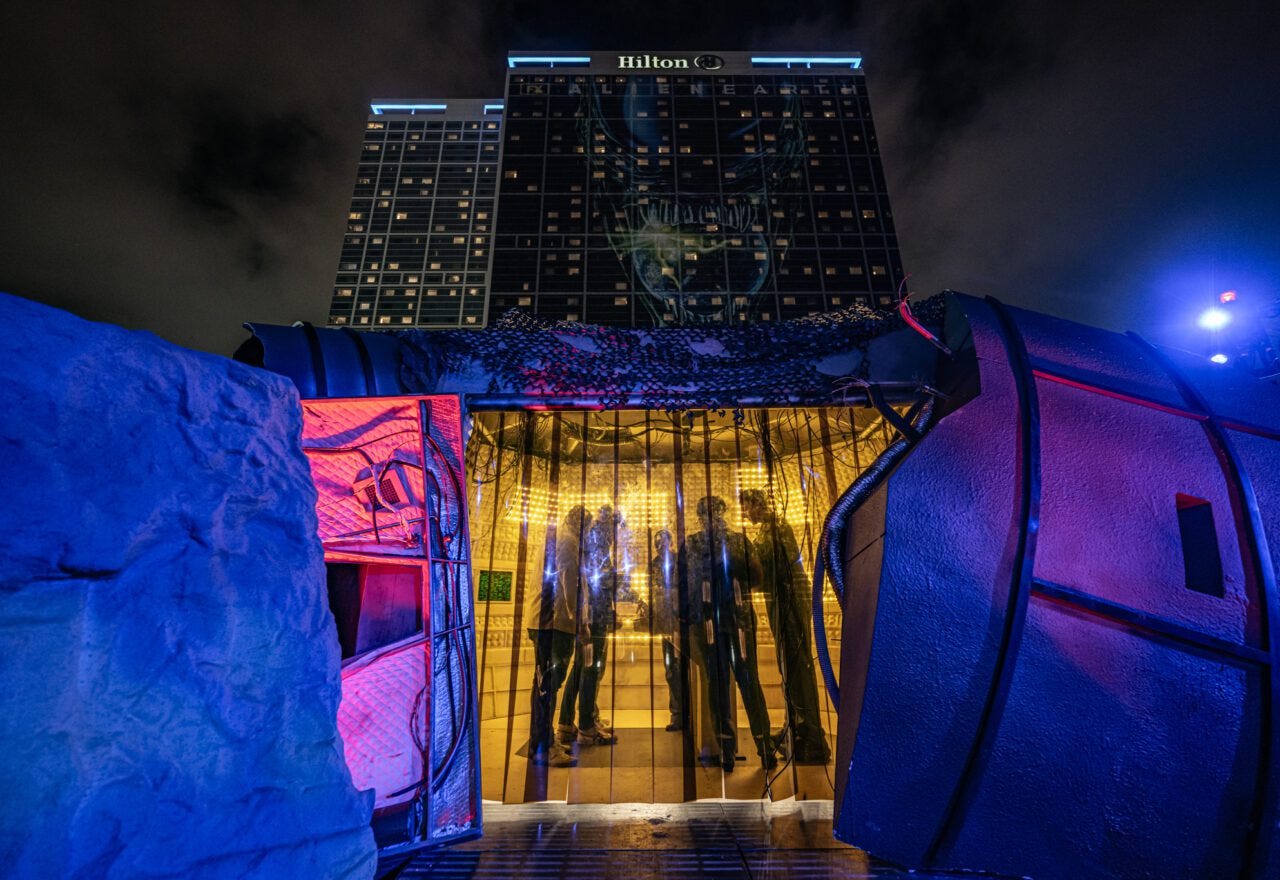
At San Diego Comic-Con 2025, brands like Disney, FX, ABC, Adult Swim, AMC, and BBC delivered immersive fan activations across the Gaslamp District, transforming show spaces into themed experiences. Highlights included a Percy Jackson diner quiz from Disney, FX’s Alien: Earth crash-site horror maze, ABC’s nostalgic Abbott Elementary school fair, and AMC’s Clown in a Cornfield corn maze. Other standout setups featured Adult Swim’s pirate cat party and a Doctor Who-themed escape room by BBC. These activations showcased how experiential marketing is evolving into full-scale, story-driven environments that connect deeply with fans through interactive, Instagrammable moments.
#Networking
This Google Spin-Off Wants to Beam 100Gbps Internet From the Ocean, Mountaintops
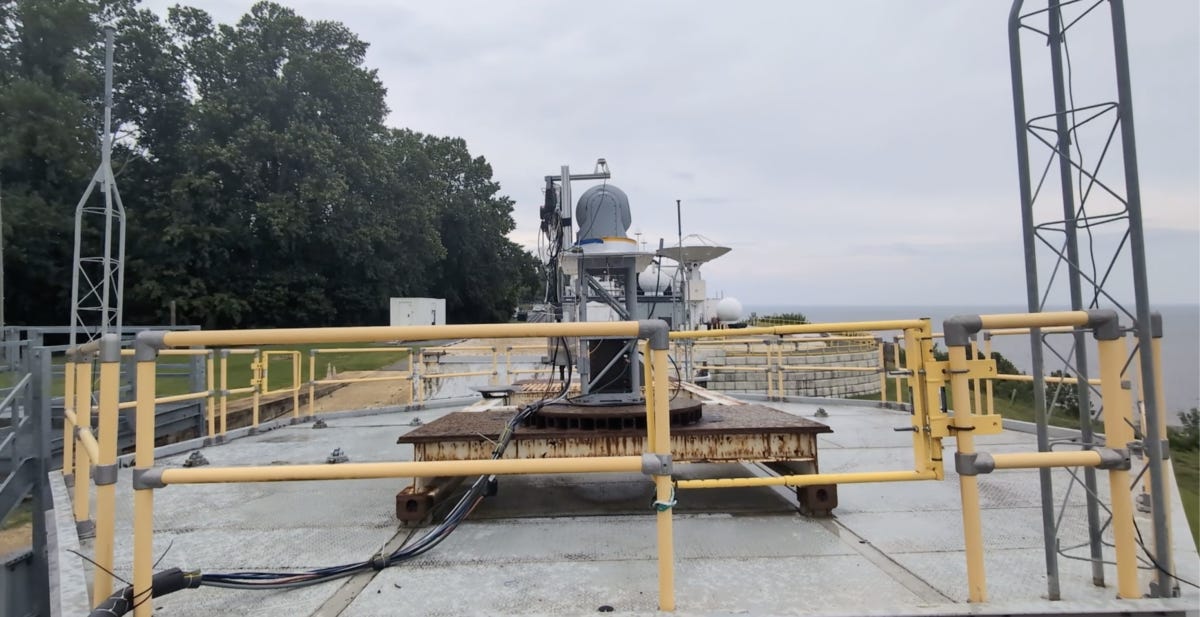
A Google spin-off called Taara is developing a groundbreaking system to beam ultra-fast internet—up to 100 Gbps in future iterations—using invisible lasers from locations like ocean platforms and mountaintops. Instead of laying fiber, Taara’s "Lightbeam" tech transmits data via narrow light beams between terminals, offering a low-cost, high-speed alternative for hard-to-reach areas. Already tested with telecom partners in Africa, India, and the U.S., the company is now miniaturizing its hardware using silicon photonics chips, aiming to scale globally with compact, energy-efficient infrastructure.
#Auto
Tesla’s graphics are about to get Unreal
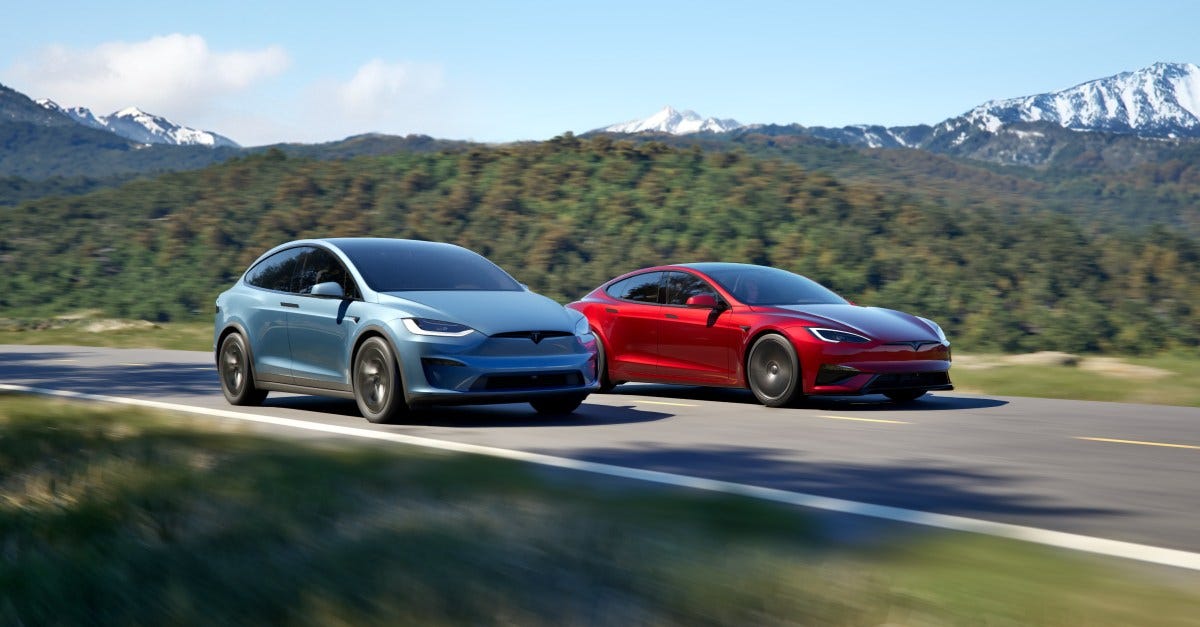
Tesla is preparing to overhaul its in-car graphics by transitioning from the open-source Godot engine to Unreal Engine, a move that could significantly enhance the visual fidelity of its Autopilot and Full Self-Driving (FSD) visualizations. Firmware version 2025.20 for AMD-powered Model S and Model X vehicles includes references to Unreal Engine, suggesting Tesla is testing or beginning integration of Epic Games’ powerful 3D rendering platform. This shift follows a growing trend among automakers—such as Rivian, GMC, Ford, and Volvo—who are leveraging Unreal to build more immersive and dynamic user interfaces. While Tesla has traditionally prioritized minimalism and performance in its UI, this upgrade could allow for richer on-screen elements, smoother animations, and better visualization of driving environments, particularly as its vehicles take on more autonomous functions. The move also reflects broader ambitions to make the in-car experience more engaging, not just for drivers, but potentially for future passengers in fully autonomous scenarios.