
The Creative Technologist Roundup x 15.0
🎬 This week’s Creative Tech Roundup is serving up big moves in AI, space, and style, with a splash of sustainability and campus cool.

Google just opened up its AI-powered video editor Vids to everyone, giving creators avatars, image-to-video magic, and auto-polished transcripts. 🎥✨ Amazon’s Project Kuiper hit the skies with gigabit-speed downloads mid-flight, showing it’s ready to give Starlink some orbital competition. 🚀🛰️ Gen Z is getting the star treatment as brands roll out back-to-campus pop-ups packed with pink dorm buses, game-day gaming, and mirror-filled fashion moments. 🎒👟 Microsoft’s MindJourney taught AI to “imagine” walking through 3D worlds, sharpening its sense of space, while Finland switched on the world’s biggest sand battery to store renewable heat for whole towns. 🔮🏠🔥 And in the spotlight, Wan-S2V is turning still photos into cinematic performances synced to your favorite audio, pointing to a future where digital storytelling sings. 🎶🎭 The byte-sized upgrades this week are bold, playful, and built to remix what’s possible. 🌟💡
Bytes
#TechNews
#Video
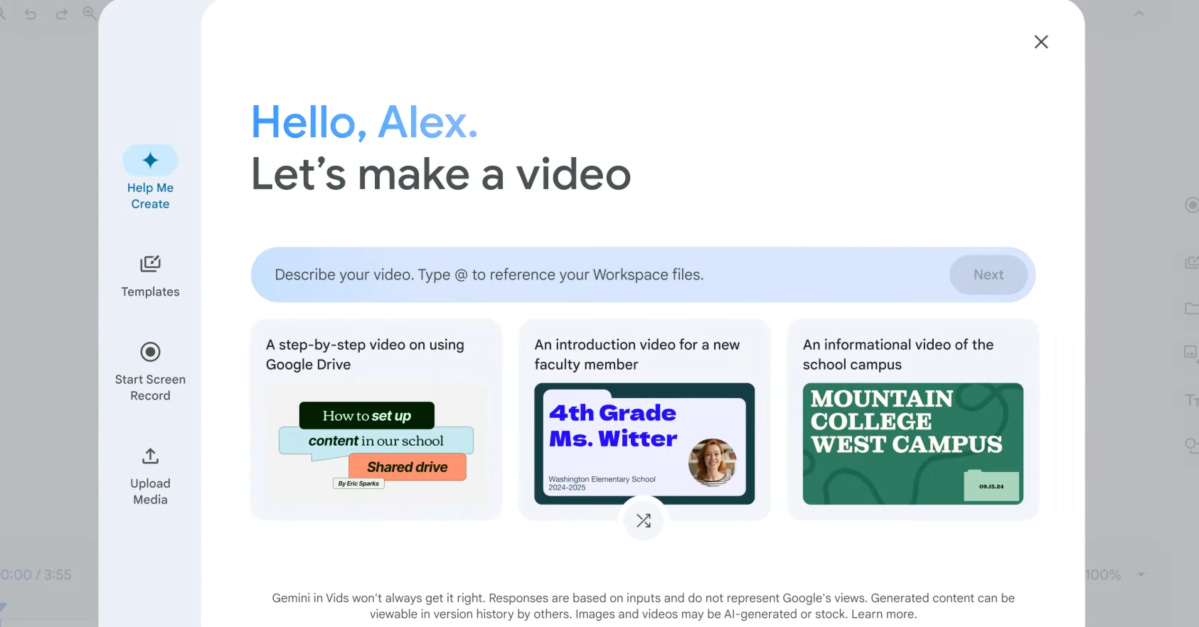
Google will now let everyone use its AI-powered video editor Vids
Google has expanded access to its AI-powered video creation tool, Vids, by launching a free consumer version alongside its Workspace and paid tiers. While the free version offers basic editing features, premium subscribers can access new tools including AI-generated avatars that deliver scripted messages and a Veo 3-powered image-to-video feature that adds synchronized ambient sound or speech. Additional productivity updates include automatic trimming of filler words from transcripts and upcoming support for multiple video orientations. These updates reflect Google’s broader push to make AI-driven content creation more accessible and tailored across both professional and casual use cases.
#Networking
Amazon's Starlink Rival, Project Kuiper, Demos 1 Gigabit Downloads
Amazon's Project Kuiper, the company’s satellite internet initiative, has successfully demonstrated download speeds reaching up to 1 gigabit per second during test flights. The tests, conducted on a business jet flying over Texas, used prototype Kuiper terminals and satellites to stream 4K video, join video calls, and browse the web in real time. The system maintained connectivity during high-speed maneuvers, suggesting strong performance for mobile and aviation use cases. While Kuiper has yet to launch its full satellite network, Amazon plans to begin customer pilots in the second half of 2025. The demonstration signals Amazon’s progress in building a viable rival to SpaceX’s Starlink, targeting both consumer and commercial markets.
#GenZ
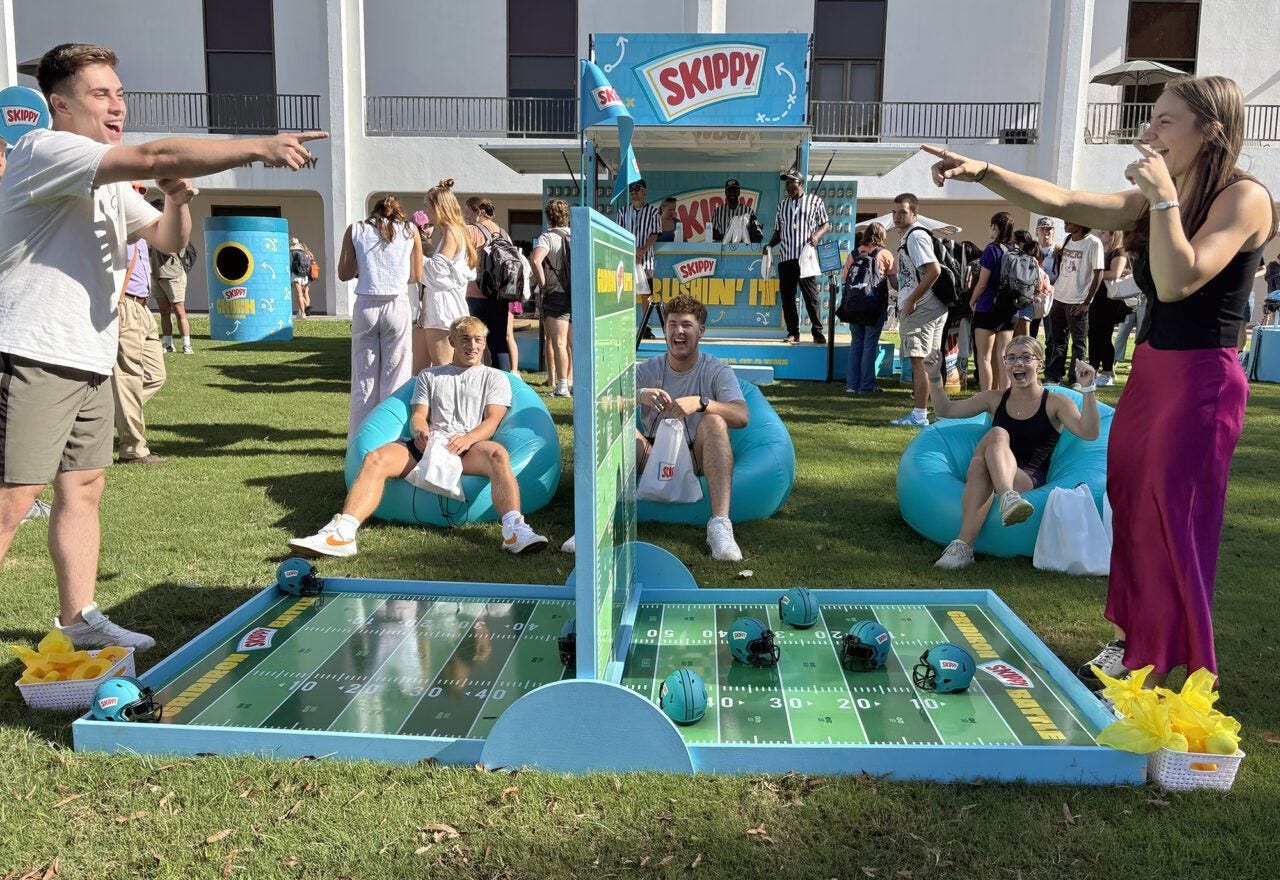
Back-to-Campus Tours: How Brands are Reaching Gen Z in 2025
Several brands are hitting college campuses this fall with mobile pop-up tours and themed experiences designed to resonate with Gen Z. IKEA is touring with a branded school bus that unfolds into a pink-walled showroom showcasing small-space dorm layouts, complete with a planter potting station and selfie opportunities. Coca‑Cola Zero Sugar is teaming with EA for a tour that lets students play College Football 25, create custom fan cards, and claim game-related rewards. Coach is launching a coast-to-coast pop-up dubbed Wear Your Shine that features an immersive mirror installation, exclusive accessories, and free hot beverages from a branded truck. These activations blend physical presence, interactivity, and social media appeal to engage students across multiple campuses.

#3D
MindJourney enables AI to explore simulated 3D worlds to improve spatial interpretation
MindJourney is a new research framework from Microsoft that allows AI agents to mentally explore simulated 3D environments in order to improve their spatial understanding from static images. It combines a world model trained on video data with a vision-language model that selects the most informative imagined viewpoints. Instead of simulating every possible movement, the system uses spatial beam search to efficiently narrow down which perspectives to consider. This approach led to an eight percent improvement in spatial reasoning benchmarks without additional training. The research could enhance AI performance in robotics, smart homes, and other scenarios where understanding physical space is essential.
#Energy
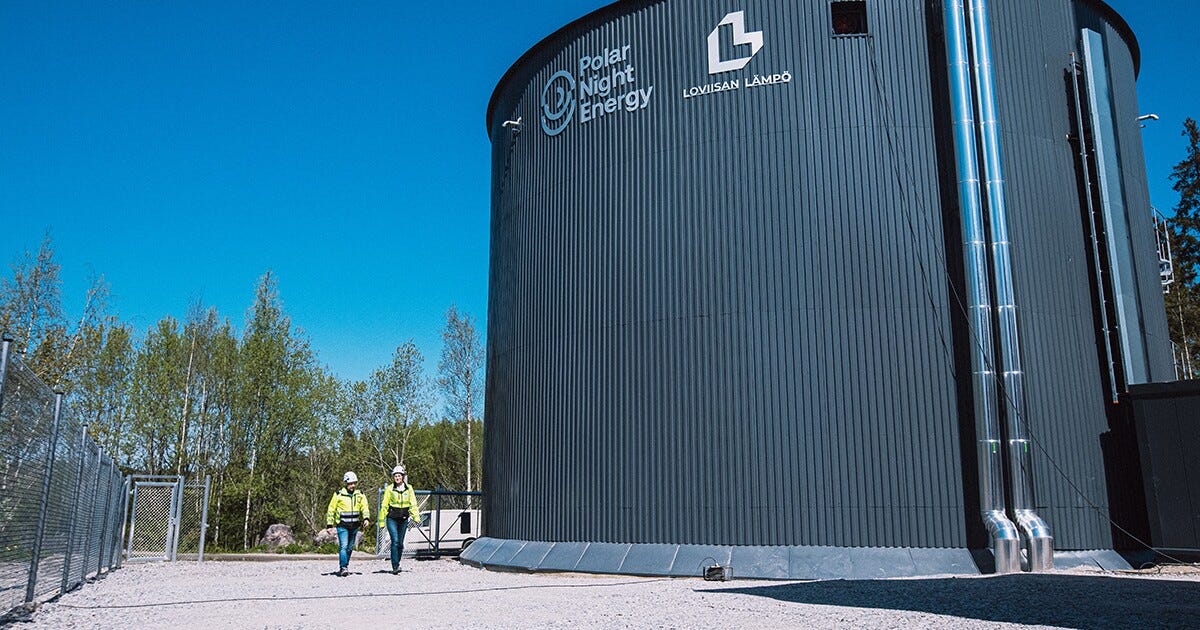
The world's largest sand battery just went live in Finland
Finland has activated the world’s largest sand-based thermal energy storage system in the town of Pornainen, using around 2,000 tons of crushed soapstone to store up to 100 megawatt-hours of heat. The system absorbs excess renewable electricity and converts it into heat at temperatures reaching 600 degrees Celsius, which is then used to supply the local district heating network. It can provide enough energy to heat the town for a week during winter or nearly a month in summer, significantly reducing reliance on oil and woodchip heating. Early results show a nearly 70 percent drop in heating-related carbon emissions, supporting Finland’s broader goal of achieving climate neutrality by 2035.

#AI
Wan-S2V: Audio-Driven Cinematic Video Generation
Wan-S2V is an audio-driven video generation model that creates realistic animations from a single reference image paired with spoken or musical audio. It captures facial expressions, mouth movements, full or half-body gestures, and even camera motion to match the rhythm and emotion of the audio input. The model supports pose control, allowing for accurate choreography or movement replication, and produces long, cinematic-quality videos with stable output. Built as part of the Wan 2.2 model family, it uses a Mixture-of-Experts architecture to deliver expressive, film-style digital performances. Wan-S2V outperforms previous systems in creating synchronized, high-fidelity animations from static images.